

What should you read next?
A compilation of all my weekly book recommendations


I felt it would be fitting to recommend The Last Lecture for this week, it fits with the reflection of the week given that the last lecture itself was titled ‘Really Achieving Your Childhood Dreams.’
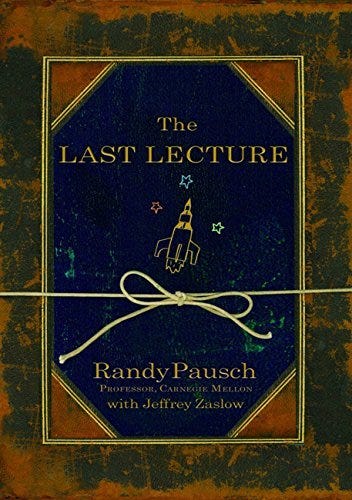
It’s written by Randy Pausch after he was diagnosed with terminal cancer. I think you’ll like it.

My dear friend Max Malterer JUST released his second book, Birthright.
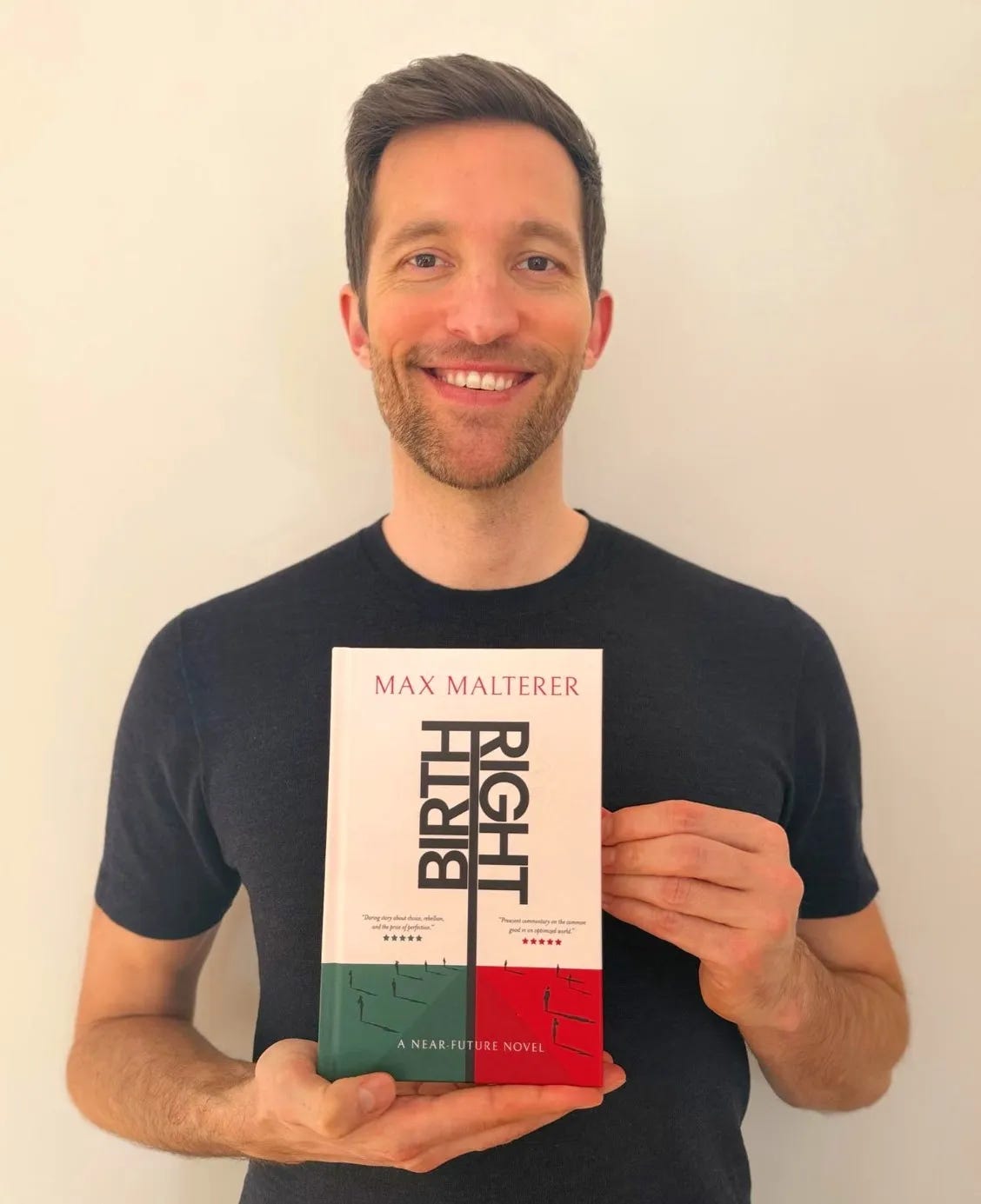
In his own words, here’s a short blurb:
A country votes on banning natural birth—and one young woman stands in the crossfire.
Europe, 2096. In a society shaped by the collapse of global birthrates, almost every child is now a Regular: born in artificial wombs and brought up in state-run Centers designed for perfection. Those born the old way, Natural-Borns, live in their own districts, remnants of a past slowly fading from view.
If you’re into near-future novels, I recommend giving Birthright a read.
I read Drive back in 2020 and I gave it a 5/5 rating back then. I liked how Daniel Pink broke down our motivations as humans into 3 buckets - biological, external and intrinsic.
One line stood out for me,
“It is those who are least motivated to pursue extrinsic rewards, are the ones who eventually receive them.”
It’s sort of analogous to Plato’s saying that those who don’t seek to lead are often the best leaders. There’s a lot more to this book though, specifically diving into intrinsic motivations and how to best leverage them.
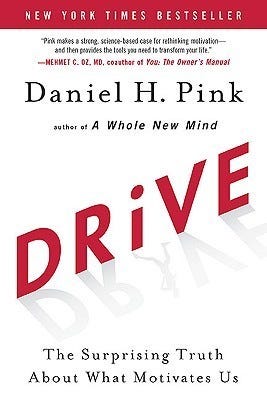
If you’re in any way interested in learning what drives you or how to drive your people better, I’d recommend you grab this book.

I’m a big Adam Grant fan. One of his good reads is Give and Take. In this read, Adam talks about the difference of givers and takers and how giving more paves the way for better chances of success in the mid-long term.
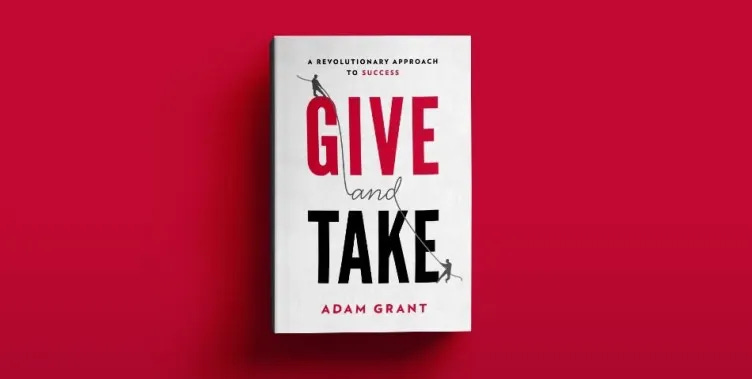
One analogy I loved from his book was the number of recommendations given vs. received on LinkedIn—he provided an example of some of the best connectors in business and how there’s a pattern of an exceedingly higher ratio of given recommendations vs. received on their profiles.
Give it a read and maybe that’ll prompt you to jump on LinkedIn and give a few recommendations to people you worked with previously—I know I did.

It’s only natural that in the newsletter about perfection, that I recommend something that talks about the complete opposite - disorder and chaos.
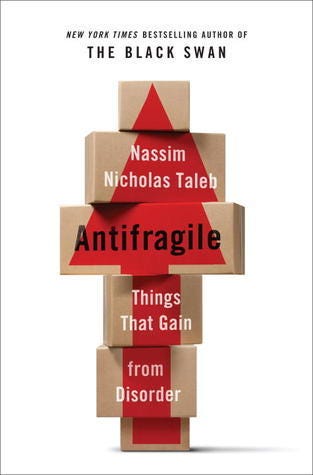
The book goes on about how some systems in life actually benefit from things not going right - from volatility and stress. Those are the antifragile systems. Our muscles, for example, are antifragile.
Of course, anti fragility isn’t literally the contradiction of perfection, but it felt fitting for this edition. Enjoy this read!
Trying to decide on what to read next? Find all my weekly recommendations below!
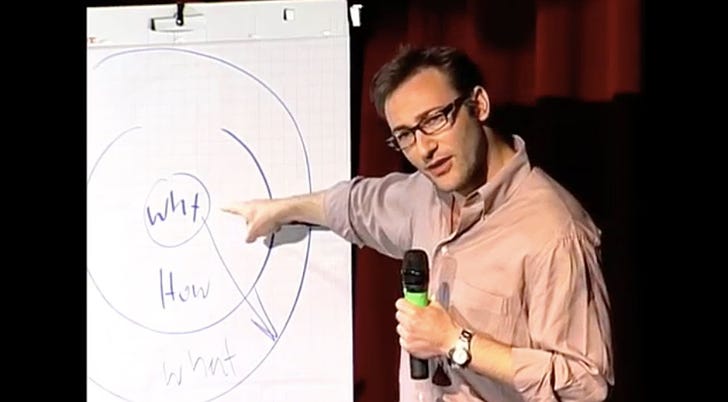
To go in line with this week’s podcast episode, I can only recommend Simon Sinek’s Start with Why. Since I’m talking in this episode about the Why and the golden circle, I believe it’ll help complement it if you gave the book a read if you haven’t yet.
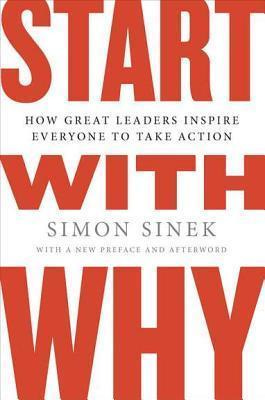
If you’re not in the mood for reading the book, you can watch his TED Talk just the same.

This week, I’d like to recommend a dear friend’s book. Max Malterer wrote and launched The Human Relief Project.
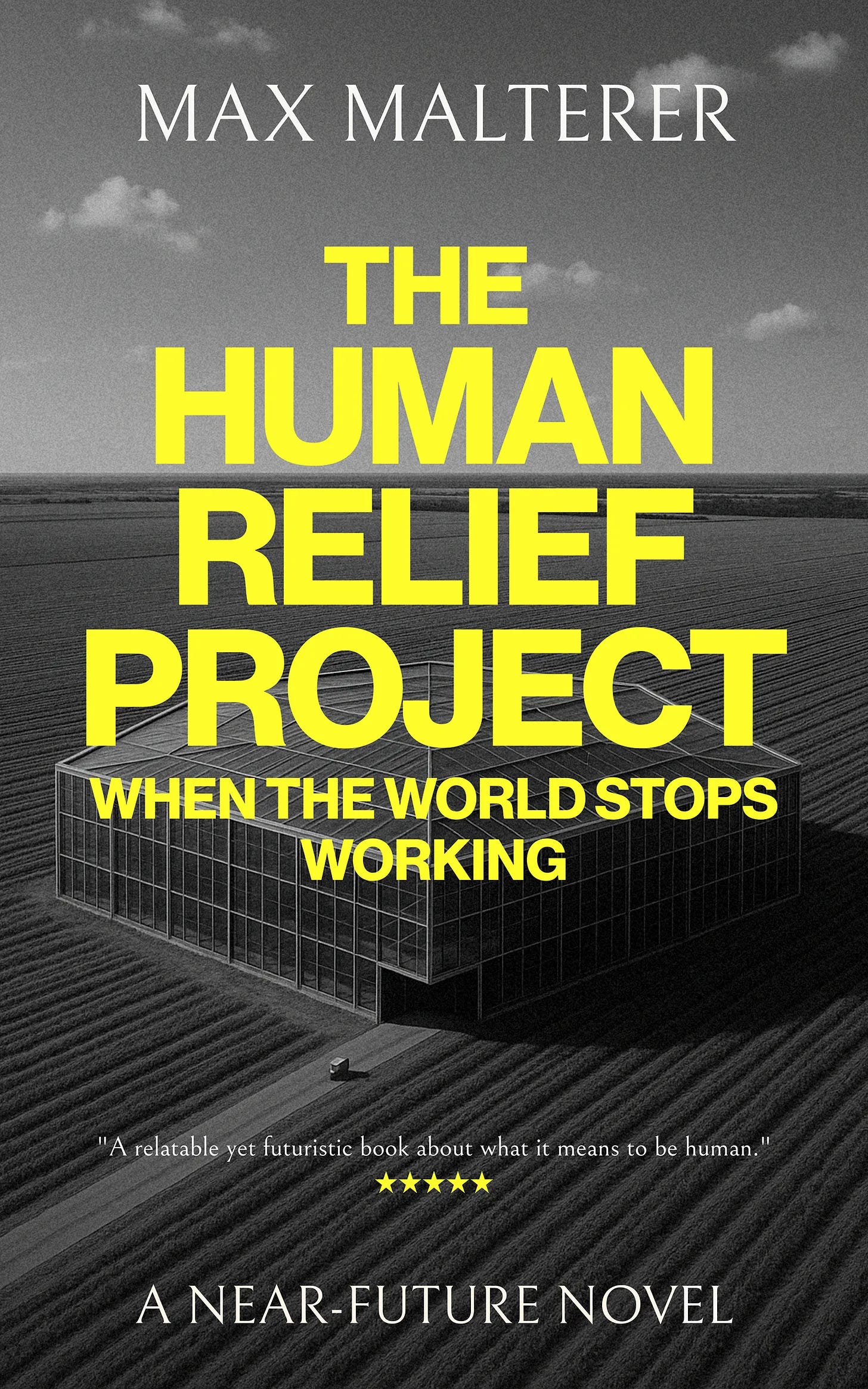
In his own words -
My debut novel, The Human Relief Project, imagines a society being “freed” from work and follows the people deciding what remains of purpose, love, and dignity when jobs fall away.
And guess what? He’s launching his second book in a few short weeks, Feb 21st. He shared his book cover, you’ll find it here. If you’re into near-future fiction, he’s the guy to follow.

Well, it’s the start of the year. Cliché, I know, but this is probably the book to read right now if you’re looking to build a habit or two with the new year. James Clear’s Atomic Habits was the reason I started documenting everything I eat, everything I pay, and doing my Duolingo daily for almost 2,000 days. And I’ve been doing that since 2020 after I had read the book by the end of 2019. So, not bad.
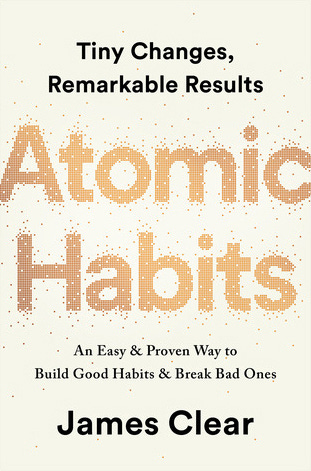
Give it a read, it might help. I don’t believe you should succumb to all the statistics that say you’re going to fail in keeping your commitments on new year’s. Try anyway, what have you got to lose?
Beat the odds.

I read this one 6 years ago - and it changed my worldview.
I thought it was all doom and gloom. Thought we were going downhill and everything everywhere was all wrong (all at once, lol). But then, I read Factfulness.
It was a recommended read by Bill Gates during a Goalkeepers event I attended in NYC in parallel to the UNGA back in 2019.
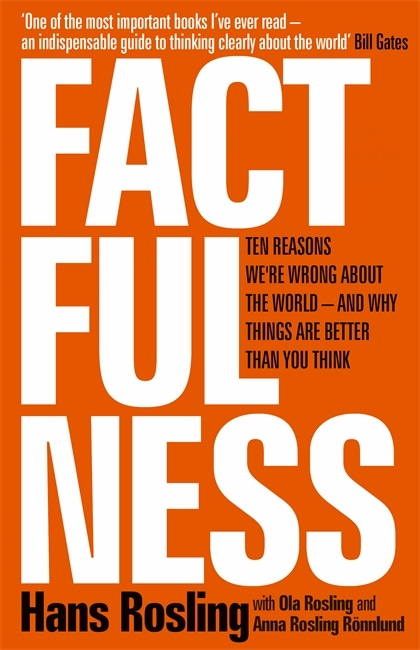
Back then, I was also gifting this book to everyone—that and the forty rules of love like I mentioned in a previous mailer. (there’s a third, and final one, that I gifted a few times also - but I’ll leave that to another edition.
So maybe going into the new year, we need a little bit of positivity. A little bit of hope. That things are much better than we think it is. A change of worldview is helpful.

You know I love memoirs. So guess what? Another one.
But, it’s not one of an elite business tycoon. It’s just genuinely a good read. It’s so good, they made a movie out of it.
This week’s recommendation is The Glass Castle by Jeannette Walls.
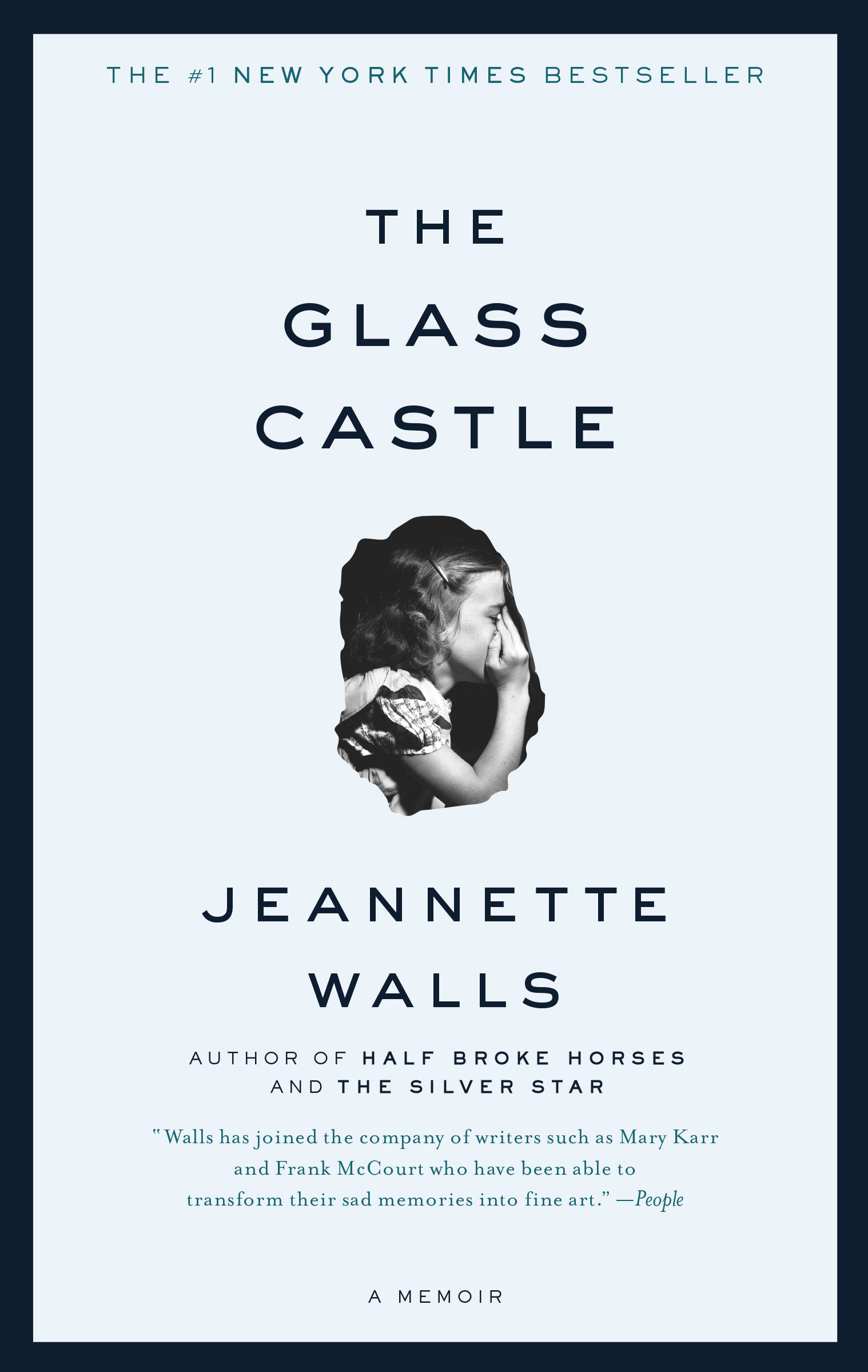
It’s a beautiful read on loyalty, love and resilience. It’s a little sad and painful at points, but what good book doesn’t have those moving arcs? Here’s the movie in case you’d prefer to watch it instead.

Since I’m talking about going beyond, I have to recommend one of my favorite books.
Those who know me, know that I spent around 8 years in AIESEC, closing off my experience as its Global President—or President of AIESEC International as it’s called. PAI for short. What made me decide to apply for it? It was this book: Originals by Adam Grant.
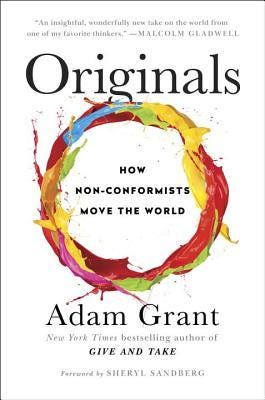
If you doubt yourself.
If you think you might be too crazy.
If you think your methods are unorthodox.
If you think others won’t accept you.
Read this book.
Reading it gave me the push I needed to go for something that turned out to be one of the best experiences I’ve had to-date. I’d recommend giving it a go.

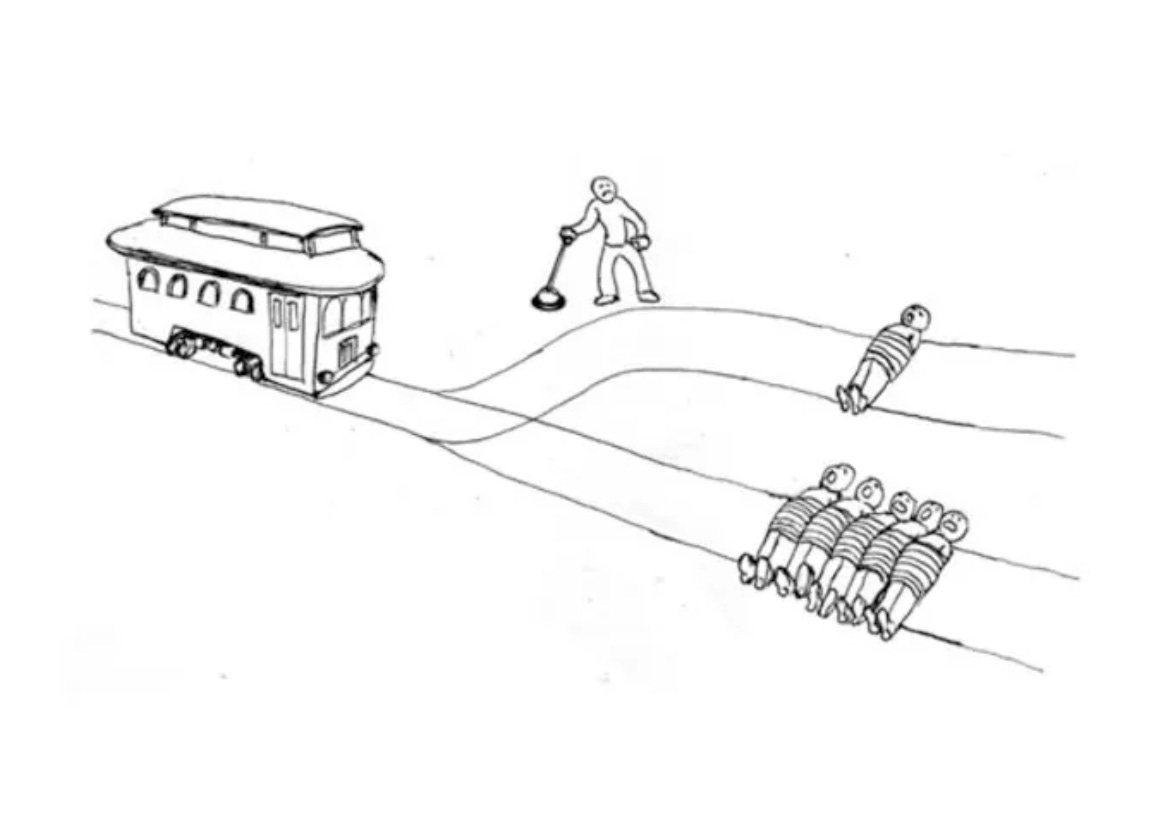
Imagine you’re standing by a quiet railway track. A trolley is speeding toward five people. And all that stands between them and death…is a single lever in front of you.
Pull it, and you save five lives. But you divert it to another track with only one person, so you knowingly end one life.
One, instead of five.
What do you do?
Most people answer fast. But when you sit with it—really sit with it—you realise this isn’t about trolleys or tracks.
It’s about the choices we make every day without noticing.
Who we prioritise.
What we justify.
What we live with.
Do we pull the lever? Or we don’t?
Staying passive and being idle is still a decision.
We always have to make a call. And it’ll always stay with us.
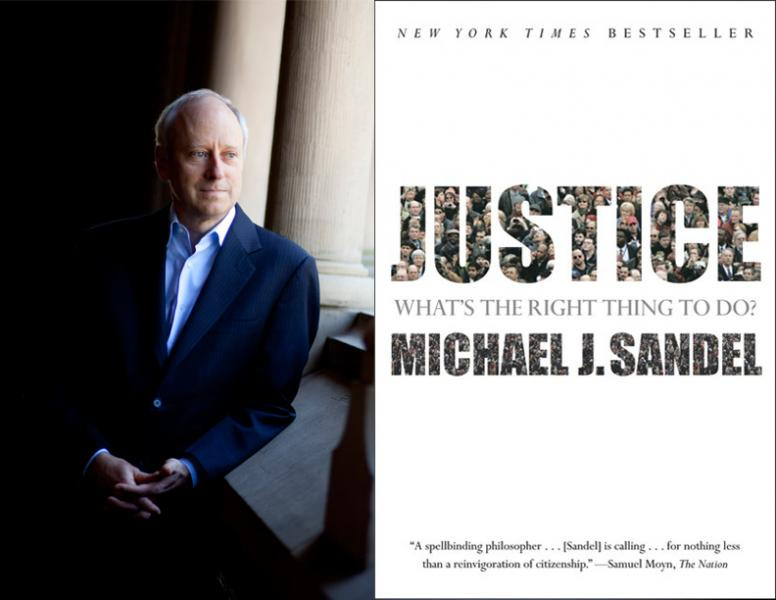
That’s why I love Justice by Michael J. Sandel. It doesn’t preach. It doesn’t tell you what the “right” answer is. It forces you into the uncomfortable space where real growth happens—where you start questioning the beliefs you’ve been carrying around for years.
I asked that question to someone very dear to me recently and her answer was logical, but I never saw it coming. It was one that I hadn’t considered before, taking a whole different angle to the dilemma that I was left quietly struck. It was rooted around the premise that everyone is right where they’re intended to be, and everything is there, and happens, for a reason.
She has an incredible mind, it just works differently. So guess what?
She didn’t pull the lever.
So I listened and said nothing, but she had my mind spiraling all over again—just the way it did when I first read the book a few years back.
So if you care about becoming a better leader, a clearer thinker, a more intentional human, this book will push you exactly where you need to go.
And if you also like tampering with philosophy and ethical dilemmas, I think this is a certain go-to.
This week’s reflection → Do you think the end justifies the means? I’d love to get your take on this, and on the trolley problem—would you pull the lever?

Do you ever think about writing? Do you have a book in you? Well, when I believed I did and I started thinking about writing, my go-to was On Writing by Stephen King. If you never read a Stephen King novel, then you’ve probably watched one—or a couple.
He’s probably the greatest writer of the horror that we know of. But apart from all the famous titles we know (The Shining, IT, Carrie, etc.) he’s written one book that, for me, stands out. It’s a book on writing where he shares his journey and experiences on the topic and on his life as an aspiring writer—a memoir. In detailing his losses and triumphs, you get a glimpse of what it’s like to make a living as an author and how unlikely it is to make it through as one.
But along with the retelling of his journey, Stephen adds in all those seemingly simple but powerful advice and tips for any aspiring writer. And this was my kickstart. I proceeded afterwards to read more books specifically dedicated to writing, but I enjoyed none more than I did with On Writing. He’s not only good at writing books that scare you—and you’ll pick that up once you get your hands on a copy of this one.
A must read for every aspiring writer who one day plans to publish their writing and put it out for the whole world to read.


If you want to go further, I recommend reading The Elements of Style which gives direct and practical advice on writing and how to become a better writer. It’s not as fun or engaging as On Writing—being a memoir and all—but it helps!

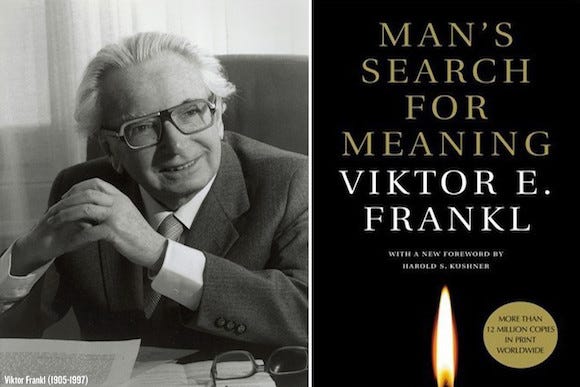
This week’s recommendation is Man’s Search for Meaning, by Viktor Frankl. It chronicles his experiences during his time in Nazi concentration camps and how he held onto his humanity during one of the most inhumane times.
It’s a moving read—and with everything happening around the world today—it’s sadly relatable.

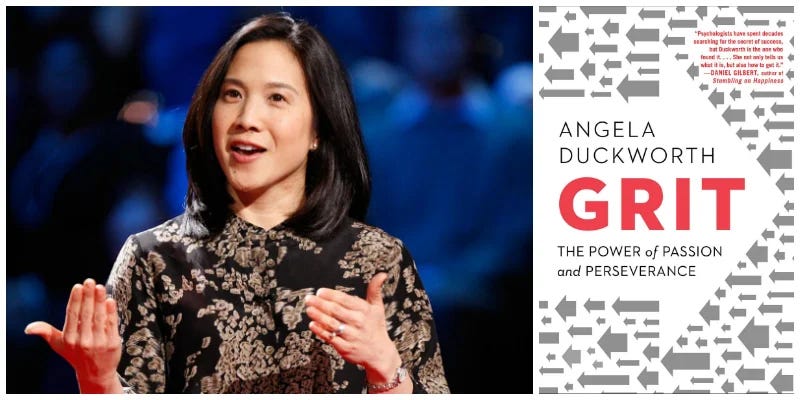
This week’s recommendation is GRIT, by Angela Duckworth. It talks about how you can essentially achieve anything so long as you have passion for it and you persevere. Even if you lack talent, perseverance will get you there.
In others words,
Passion + Perseverance > Innate Talent
One line I loved from the book is:
“Our potential is one thing. What we do with it is quite another.”

If you’re a Pixar/Disney fan, or an Apple/Steve Jobs fan then this one’s for you.
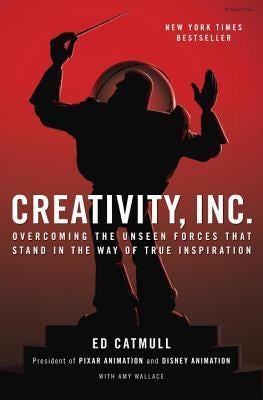

I’ve mentioned it before, but in case you missed it - one of my favorite book genres are memoirs. So a lot of my recommendations will be… you guessed it - MEMOIRS!
Here’s a great one, Shoe Dog. If you wear shoes, which you probably do if you’re in possession of a portable device and reading this newsletter, then chances are that you wear/worn Nike’s at least once in your lifetime. And Nike’s coming-to-being story is a riveting one. Told be its founder and creator, Phil Knight, you’ll get a little it of everything in his story.
A highly recommended read.
Oh. And it’s pronounced Nai·kee or Nikey. Not Nike. Named after the greek goddess of victory.

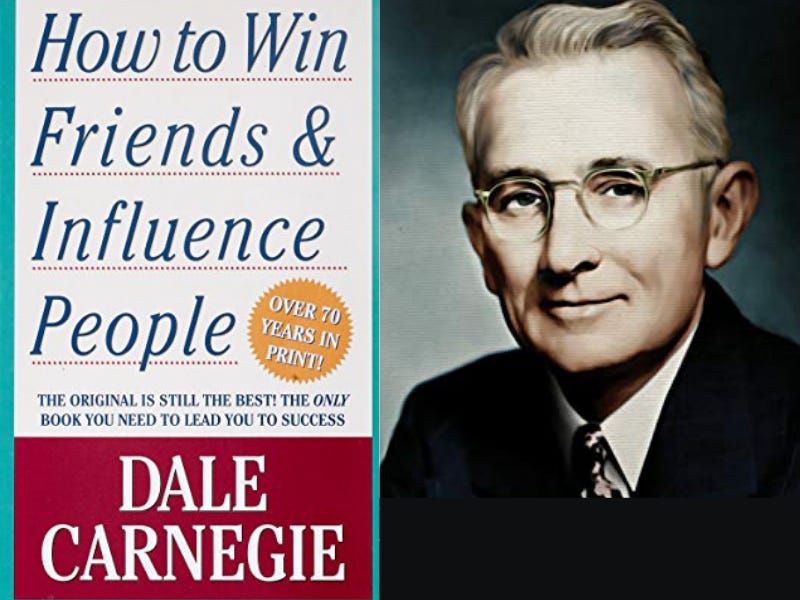
An instant classic. Written back in 1936, How to Win Friends & Influence People is timeless. I read it back in 2016 or 17. Three times. And I’d read it again.
It’s so simple. Seems trivial. But its simplicity is the magic of creating human connection and winning in life. I’ll always recommend it.
![Friends, lovers, and [whatever else you want in your memoir]](https://substackcdn.com/image/fetch/$s_!-YQZ!,w_140,h_140,c_fill,f_webp,q_auto:good,fl_progressive:steep,g_auto/https%3A%2F%2Fsubstack-post-media.s3.amazonaws.com%2Fpublic%2Fimages%2Fdffb0268-61ef-4f88-8083-07dfbdd66954_720x710.jpeg)
If you’re a Friends fan, you’ll like this one.
I just finished reading Matthew Perry’s memoir: Friends, Lovers, and the Big Terrible Thing. It broke my heart a little, but he had me chuckling all throughout—he’ll always be Chandler. May he rest in peace.


If you can listen to it, even better. It’s narrated by him. Can it be any better?
Know someone looking for their next read? Send this over to them!